
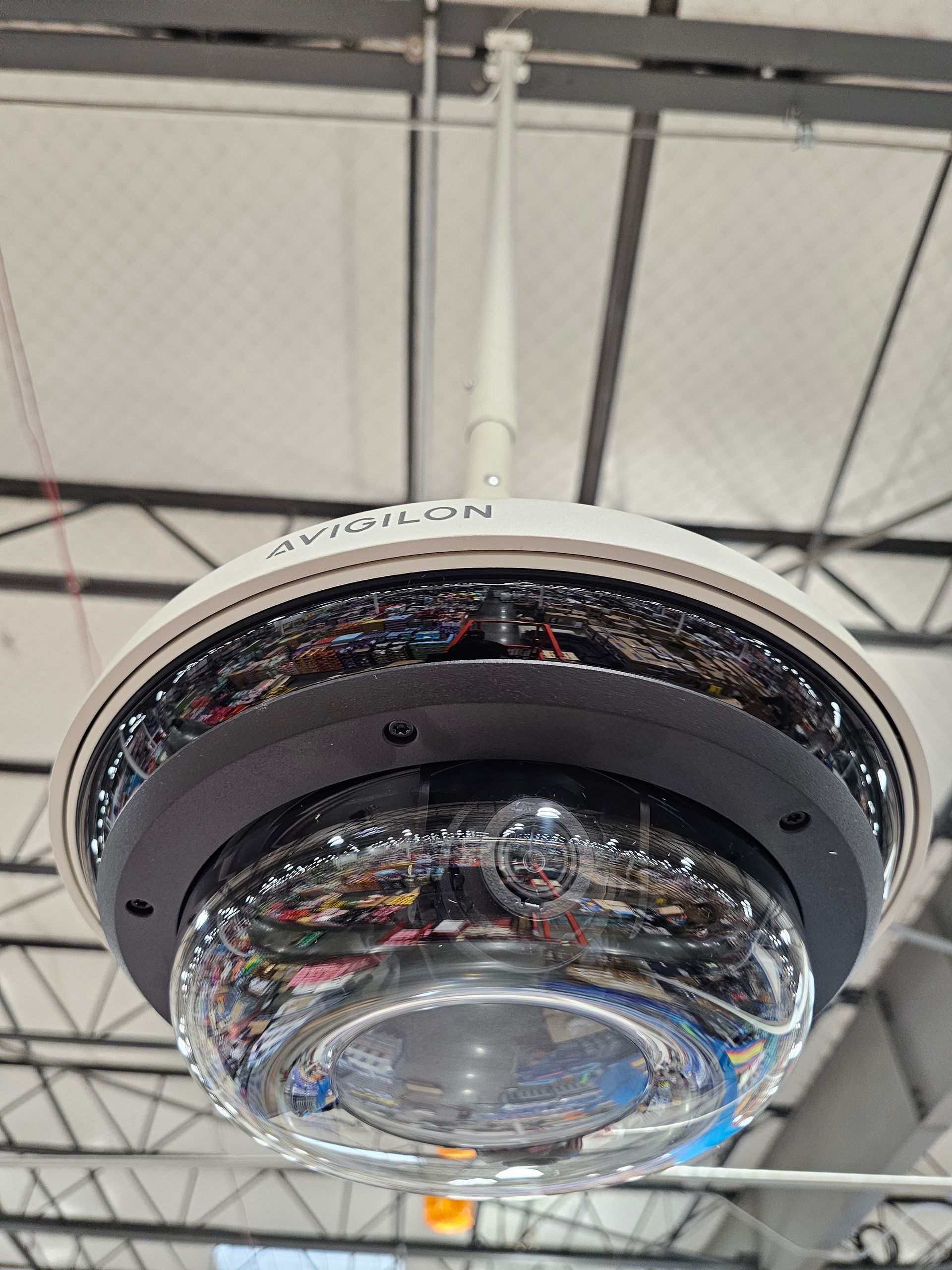
Surveillance Systems Built for Continuous Documentation
Security Camera Installation in Lake Forest for commercial properties requiring 24/7 liability protection and incident recording
Commercial districts across Orange County face constant exposure to liability risks from slip-and-fall incidents, vandalism, theft, and disputes that require video evidence for resolution. Turn Up Communications designs and installs CCTV systems with multi-camera coverage, cable routing through existing building structures, power distribution to each camera location, and DVR or NVR setup for local or remote monitoring. Your surveillance system operates continuously without gaps in coverage, recording footage that remains accessible when you need to review specific events or provide documentation to insurance carriers or legal representatives.
Security camera installation involves determining camera placement for complete coverage of entry points, parking areas, and interior spaces where transactions or interactions occur. Installers route cabling through walls, ceilings, or conduit to reach each camera location, configure recording devices for retention schedules that meet your operational needs, and set up remote access so you can monitor live feeds from off-site locations.
Arrange an on-site assessment to map camera placement and identify coverage gaps in your current security setup.

What You Notice Once CCTV Systems Are Operational
Your installation includes camera positioning that eliminates blind spots in high-traffic zones, cabling that remains concealed within building structures to prevent tampering, and recording equipment configured for continuous operation with automatic overwrite of older footage. AI-enabled CCTV systems add advanced motion detection that filters out false alarms from environmental movement while logging genuine activity events, reducing the time you spend reviewing irrelevant footage.
After your system goes live, you access clear video footage during daylight and low-light conditions, retrieve specific recorded events without searching through hours of unindexed video, and receive alerts when motion is detected in designated zones during non-business hours. Properties with functional surveillance systems experience fewer disputes over liability claims because video evidence provides objective documentation of what occurred.
Camera count and resolution depend on the square footage you need to monitor, the distance between cameras and the areas they cover, and whether you require facial recognition capability or general activity monitoring. Outdoor cameras require weatherproof housings and positioning that accounts for glare, backlighting, and exposure to direct sunlight during certain hours.
Questions Property Managers Ask About Surveillance
Commercial property owners throughout Lake Forest and Orange County need reliable documentation systems, and understanding what professional installation delivers helps you evaluate your current security gaps.
How are cameras positioned to avoid coverage gaps?
Installers evaluate sight lines from each potential camera location, account for obstructions like signage or architectural features, and position cameras at heights and angles that capture usable footage of faces and license plates rather than overhead views that lack identifying detail.
What recording capacity do CCTV systems provide?
Storage capacity depends on the number of cameras, resolution settings, and retention period you require, with typical commercial systems retaining 30 to 90 days of footage before older recordings are automatically overwritten unless flagged for permanent archiving.
How is remote monitoring configured after installation?
Your system connects to your network for access through dedicated apps or web portals, allowing you to view live feeds, review recorded footage, and receive alerts from any internet-connected device without requiring VPN setup or complex IT configuration.
When do businesses in Lake Forest typically upgrade surveillance?
You upgrade when expanding your facility, after experiencing theft or vandalism incidents that revealed coverage gaps, or when older analog systems no longer provide the resolution needed to identify individuals or read vehicle details in recorded footage.
What distinguishes professional installation from DIY camera setups?
Professional systems include proper cable routing that prevents signal loss over distance, power distribution that eliminates reliance on multiple wall adapters, and camera calibration for lighting conditions specific to each location rather than default factory settings that produce unusable footage at night.
Turn Up Communications coordinates every component of your CCTV infrastructure as a unified system rather than separate devices connected independently, ensuring your commercial property receives surveillance that operates reliably without ongoing troubleshooting. Schedule a system design consultation to address your specific monitoring priorities and property layout.