
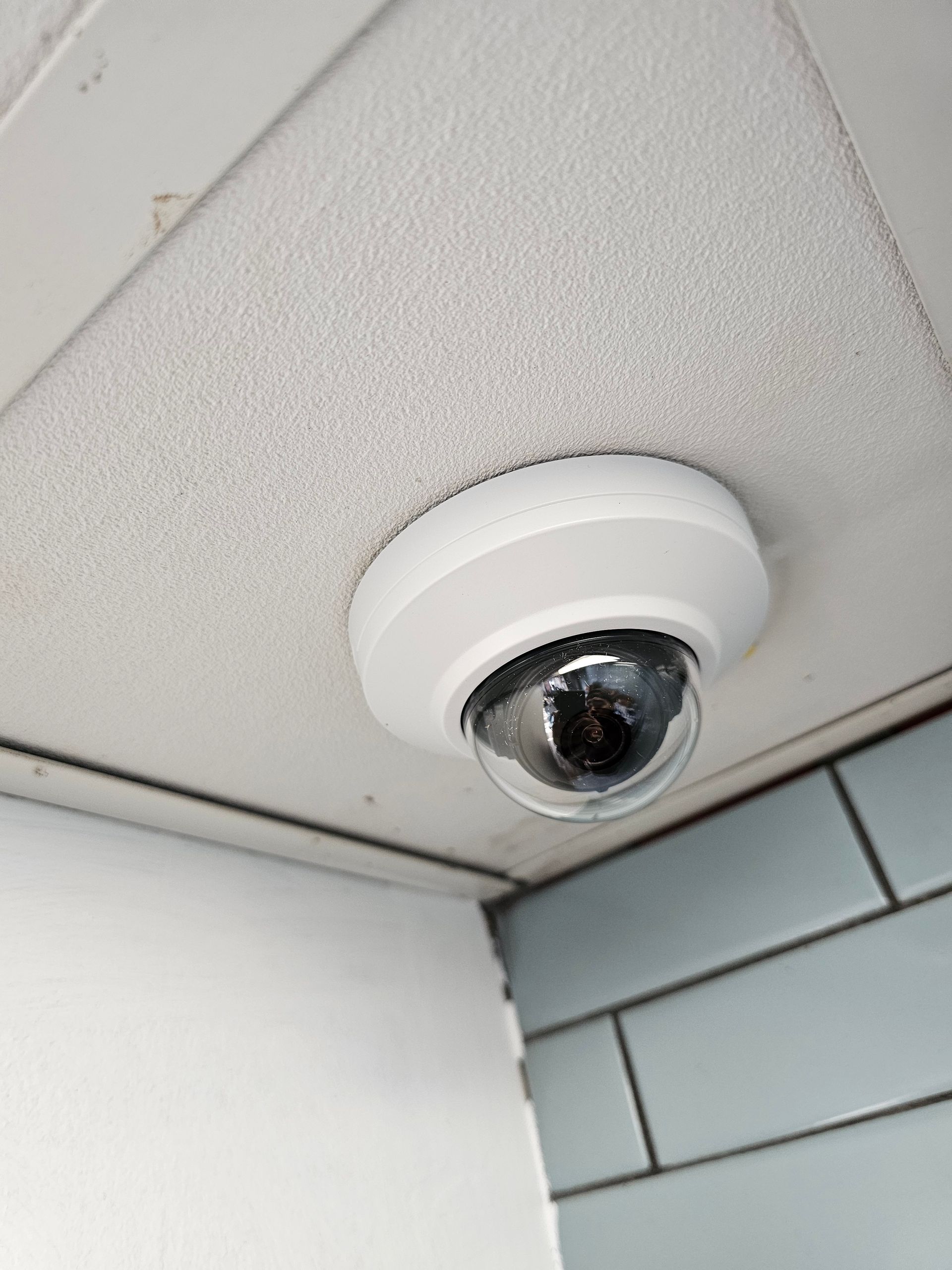
Surveillance Systems That Record Incidents as They Occur
CCTV Installation in Lake Forest for commercial properties requiring continuous video documentation and remote monitoring access
When equipment goes missing from a loading dock, when a customer claims an injury occurred on premises, or when unauthorized access happens after hours, commercial properties require video evidence that captures the actual sequence of events rather than relying on conflicting witness accounts. Turn Up Communications installs CCTV systems in Lake Forest with multi-camera coverage, recording infrastructure that stores footage for investigation, and remote access that allows property managers to review video from any location. Orange County commercial properties use these systems not just for deterrence but for liability protection when insurance claims or legal disputes require documented evidence of what actually occurred.
The installation process begins with multi-camera layout design that eliminates blind spots in critical areas such as entrances, cash handling zones, and high-value inventory storage. Cameras connect to the recording system through coaxial cabling or Cat5 network cables depending on camera type, the DVR or NVR unit receives power and network connectivity for remote access, and the entire system undergoes testing to confirm that all cameras record continuously and that footage retrieval works correctly.
Request a property assessment to identify camera placement requirements and determine recording storage capacity based on your retention needs.

How CCTV Systems Address Documentation Requirements
Commercial CCTV installation requires more than mounting cameras on walls. Camera angles must capture identifying details such as faces and license plates rather than just general activity, recording systems must store sufficient footage to cover investigation timeframes that often extend weeks after an incident, and network configuration must allow authorized personnel to access footage remotely without exposing the system to unauthorized access. Turn Up Communications designs camera layouts that account for lighting conditions throughout the day, positions cameras to minimize glare from windows and overhead lights, and configures recording schedules that balance storage capacity with coverage duration.
After installation completes, your property maintains continuous video documentation of all monitored areas, accessible remotely through secure credentials that allow authorized personnel to review footage from smartphones or computers. When incidents occur, you retrieve specific footage by date and time rather than searching through unlabeled recordings, and the system continues recording even during internet outages because local storage captures footage independently of remote access capabilities.
The system includes motion detection settings that trigger alerts when activity occurs in restricted areas after hours, night vision capabilities that maintain visibility in low-light conditions, and automated overwrite protocols that manage storage by deleting the oldest footage once capacity limits approach. AI-powered CCTV systems add intelligent motion detection that distinguishes between vehicles, people, and animals to reduce false alerts from wildlife or passing traffic.
Questions Property Managers Ask About CCTV Systems
Commercial properties often need specific information about how CCTV systems function in real-world security situations.
What camera coverage eliminates blind spots in loading areas?
Loading dock coverage typically requires cameras positioned to capture both the interior staging area and the exterior approach, angled to record vehicle license plates and personnel movement between the dock and parked trucks.
How long does standard recording storage retain footage?
Recording duration depends on camera resolution, frame rate, and the number of cameras, but most commercial systems store 30 to 90 days of continuous footage before older recordings overwrite automatically to free storage space.
When should Lake Forest businesses upgrade from analog to network cameras?
Properties benefit from network camera upgrades when they require higher resolution for facial recognition, need remote access capabilities that analog systems cannot provide reliably, or plan to integrate CCTV with other security systems through network infrastructure.
What remote access security prevents unauthorized footage viewing?
Remote access uses encrypted connections with unique credentials for each authorized user, multi-factor authentication options to prevent password-only breaches, and activity logs that record who accessed footage and when for accountability purposes.
Why does DVR placement affect system reliability?
DVRs generate heat during continuous operation and require adequate ventilation to prevent overheating that causes system failures, and placement in secure locations prevents tampering or theft that would eliminate recorded evidence during incidents.
Turn Up Communications provides complete CCTV installation with multi-camera layouts, recording infrastructure, and remote access configuration for Lake Forest commercial properties. Contact our installation team to schedule a security assessment and determine camera requirements for your facility.